Storylines
 ">
 ">
Australia's Electric Vehicle Future Will Depend on Smarter Charging Solutions
- EV Charging Infrastructure
- 2 months ago
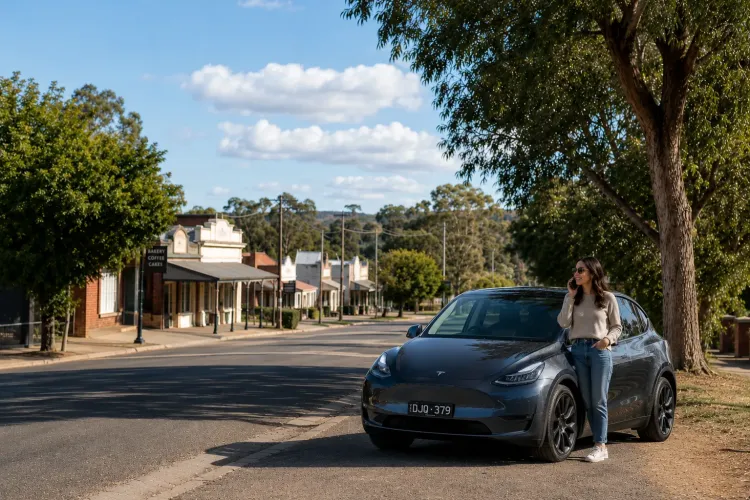
Australia’s transition to electric vehicles is moving faster than many industry observers predicted. What began as a gradual shift towards cleaner transport has become a major transformation affecting households, businesses, government fleets and the wider automotive industry.
However, the success of Australia’s EV future will not be measured only by how many electric vehicles are sold. It will depend on whether drivers have access to reliable, convenient and flexible charging solutions wherever they need them.
- EV Charging Infrastructure
- 2 months ago
 ">
Australia's EV Future Depends on More Than Charging Stations
- Thought leadership
- 2 months ago
Australia's electric vehicle transition is often measured by one key question: how many charging stations are being built?
While charging infrastructure is a critical part of the transition, industry leaders say the future of electric transport will depend on a much broader ecosystem that supports drivers in every situation, from home charging and workplace infrastructure to roadside assistance and fleet management.
As EV adoption accelerates across Australia, the next challenge is ensuring the systems surrounding these vehicles are ready.
- Thought leadership
- 2 months ago
 ">
Five EV Charging Problems Australians Didn't Expect After Making the Switch
- Thought leadership
- 2 months ago
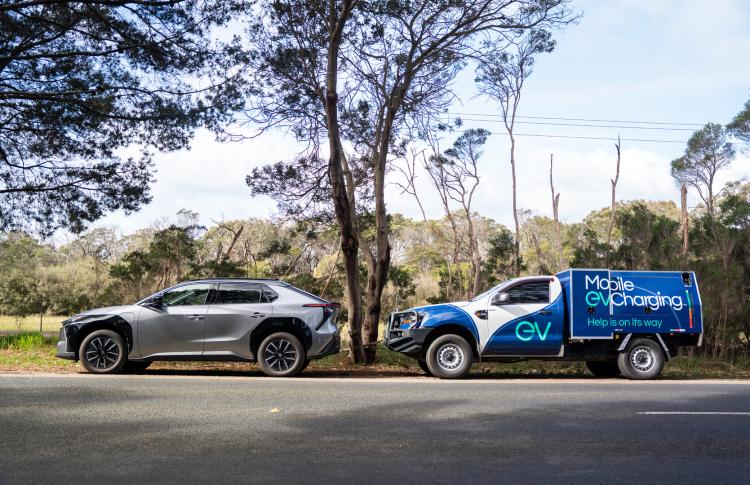
Australia's electric vehicle market is entering a new phase. As EVs move from early adopters into mainstream households, more drivers are discovering that owning an electric vehicle involves more than simply swapping petrol for electricity.
While most EV owners appreciate lower running costs, smoother driving and reduced fuel expenses, many are encountering unexpected charging challenges that were rarely considered before purchase.
From apartment living to public charger availability, these issues highlight the need for a more complete EV support network.
- Thought leadership
- 2 months ago
 ">
Why Every Australian Fleet Manager Needs an EV Charging Contingency Plan
- Business & Fleet Electrification
- 2 months ago
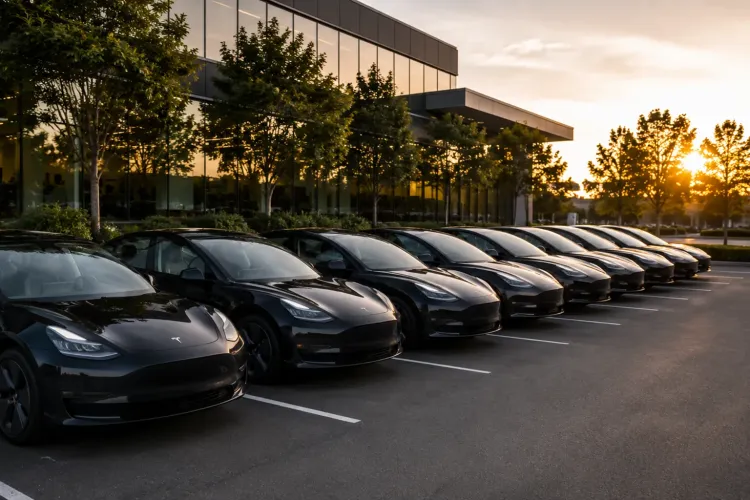
Australia's commercial vehicle landscape is undergoing a major transformation. Businesses across transport, logistics, construction, government and service industries are increasingly replacing petrol and diesel vehicles with electric alternatives.
While EV fleets offer significant benefits, including lower operating costs, reduced fuel expenses and improved sustainability outcomes, many organisations are discovering that successful electrification requires more than simply purchasing electric vehicles.
A reliable charging strategy, including a contingency plan for unexpected situations, is becoming essential for fleet managers.
- Business & Fleet Electrification
- 2 months ago
 ">
Australia's EV Road Trip Boom Could Put Charging Infrastructure to the Test
- Regional EV Adoption & Travel
- 2 months ago
Australia's love affair with road trips is entering a new era. As electric vehicle ownership continues to grow, more Australians are choosing EVs for family holidays, regional travel and interstate journeys.
However, the increasing popularity of electric road trips is also creating new challenges. During peak travel periods, charging demand can place pressure on public infrastructure and highlight the need for a more flexible approach to keeping EV drivers moving.
- Regional EV Adoption & Travel
- 2 months ago
Australia's Electric Vehicle Boom Is Creating a New Demand for Smarter Roadside Support
- Roadside Assistance & Emergency Charging
- 2 months ago
Australia's electric vehicle market is moving beyond early adopters and into the mainstream. With hundreds of thousands of EVs now travelling on Australian roads and EV sales continuing to grow, the expectations of motorists are changing along with the technology.
Today's EV drivers are not only asking for cleaner and cheaper transport options, they are expecting the same level of convenience, reliability and support they have always received from traditional vehicles.
That expectation is putting pressure on Australia's roadside assistance industry to evolve.
- Roadside Assistance & Emergency Charging
- 2 months ago
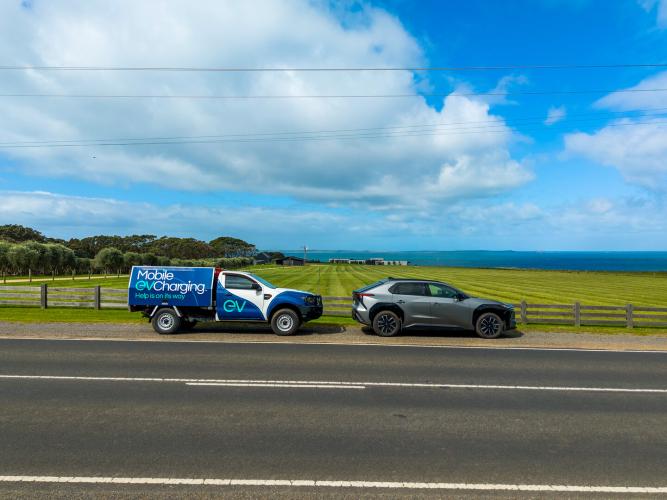 ">
Australia Has More EVs Than Ever, But Who Rescues Them When They Run Out of Charge?
- Roadside Assistance & Emergency Charging
- 2 months ago
Australia's transition to electric vehicles is accelerating, with more than half a million EVs now on Australian roads and battery electric vehicles accounting for more than one in five new vehicle sales in recent months. While the shift is helping reduce emissions and fuel costs, it is also exposing a growing gap in the country's roadside assistance network.
- Roadside Assistance & Emergency Charging
- 2 months ago