Australia's electric vehicle market is entering a new phase. As EVs move from early adopters into mainstream households, more drivers are discovering that owning an electric vehicle involves more than simply swapping petrol for electricity. While most EV owners appreciate lower running costs, smoother driving and reduced fuel expenses, many are encountering unexpected charging challenges that were rarely considered before purchase. From apartment living to public charger availability, these issues highlight the need for a more complete EV support network.
1. Home charging isn't always possible
Many new EV owners assume they will simply install a charger at home. However, this is not always straightforward.
Challenges can include:
- Living in an apartment or townhouse
- Renting a property
- Shared parking arrangements
- Older electrical systems
- Limited switchboard capacity
For some drivers, accessing convenient overnight charging requires approvals, electrical upgrades or alternative solutions.
2. Public chargers are not always available when needed
Australia's public charging network continues to grow, but EV drivers can still encounter challenges.
A charger may be:
- Already occupied
- Temporarily unavailable
- Located further away than expected
- Unsuitable for the vehicle model
As EV ownership increases, reliability and accessibility will become just as important as the number of chargers installed.
3. Real-world driving uses more energy than expected
Many drivers learn that battery range depends on more than the manufacturer's estimate.
Factors affecting range include:
- Highway speeds
- Weather conditions
- Heavy loads
- Towing
- Traffic congestion
- Heating and cooling use
A journey that was expected to be comfortable may require additional charging planning.
4. Workplaces are still catching up
Many employees who cannot charge at home rely on workplace charging. However, many businesses are still developing EV policies and installing infrastructure.
This creates challenges for commuters and organisations transitioning to electric fleets.
Australia's EV transition requires more than selling electric cars
The move to electric vehicles is accelerating, but successful adoption depends on creating a complete support ecosystem.
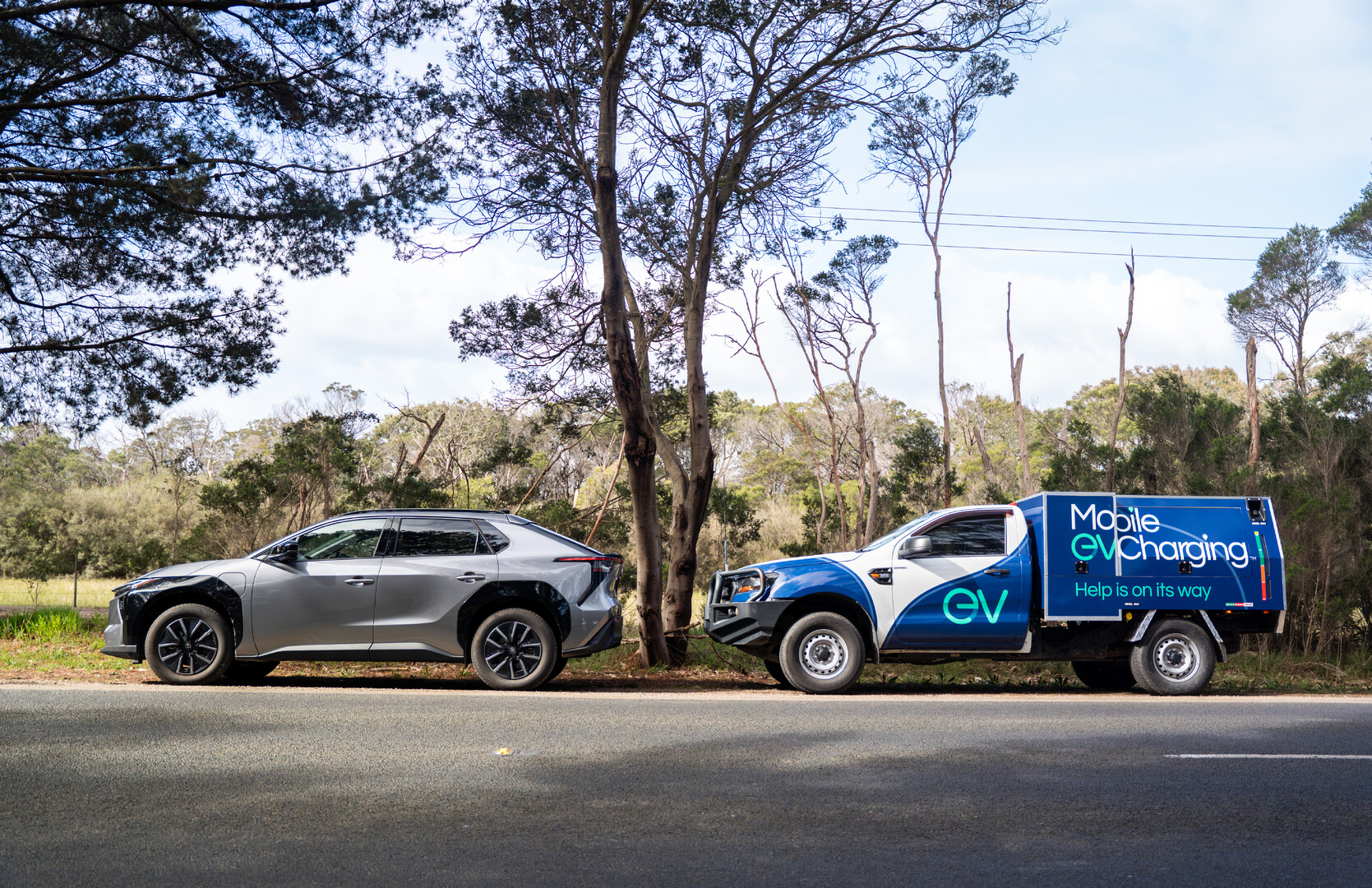
Home charging, workplace infrastructure, public charging and mobile EV charging all have a role to play in making EV ownership simple and reliable.
As more Australians experience electric vehicles for the first time, solving these everyday charging challenges will be critical to building confidence in the future of transport.