Mobile EV Charging
A growing fleet of Teslas lines up outside the workplace as more businesses make the switch to electric.
Australia's commercial vehicle landscape is undergoing a major transformation. Businesses across transport, logistics, construction, government and service industries are increasingly replacing petrol and diesel vehicles with electric alternatives. While EV fleets offer significant benefits, including lower operating costs, reduced fuel expenses and improved sustainability outcomes, many organisations are discovering that successful electrification requires more than simply purchasing electric vehicles. A reliable charging strategy, including a contingency plan for unexpected situations, is becoming essential for fleet managers.
Fleet electrification creates new operational challenges
Traditional fleets have relied on a mature fuel network for generations. If a vehicle needed energy, drivers could usually locate a fuel station within minutes.
Electric fleets operate differently.
Fleet managers must consider:
- Vehicle charging schedules
- Route planning
- Battery range requirements
- Charger availability
- Driver behaviour
- Workplace charging capacity
- Emergency response options
A single charging issue can have a significant operational impact when vehicles are responsible for deliveries, customer visits or essential services.
Unexpected charging problems can disrupt business operations
Even well-planned EV fleets can experience unexpected challenges.
A vehicle may:
- Complete more jobs than expected
- Travel a longer route due to changing customer requirements
- Encounter traffic delays
- Lose access to a workplace charger
- Arrive at a public charger that is unavailable
For a private driver, these situations may be inconvenient. For a commercial fleet, they can affect revenue, customer commitments and productivity.
Mobile EV charging adds operational resilience
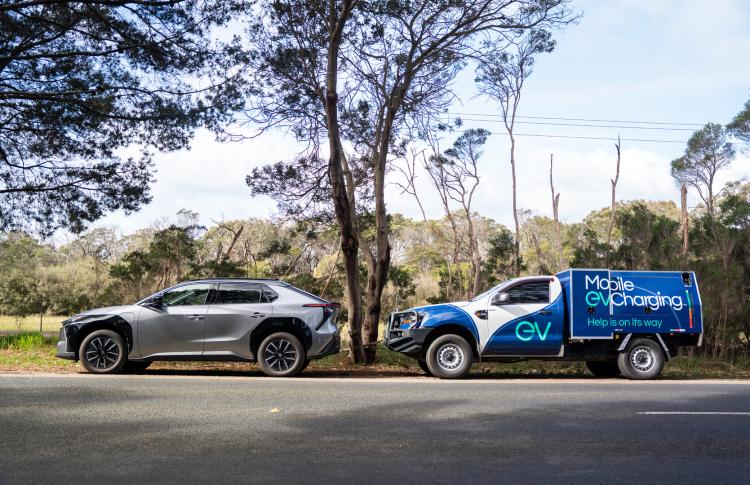
A fleet charging contingency plan provides businesses with a backup option when normal charging arrangements are unavailable.
Mobile EV charging can support fleet operations by:
- Providing emergency charging for vehicles running low on battery
- Reducing delays caused by unavailable chargers
- Supporting temporary worksites
- Assisting during charger installation or upgrades
- Providing additional flexibility during peak demand periods
Rather than replacing permanent charging infrastructure, mobile charging acts as a safety net that helps businesses maintain vehicle availability.
The future of fleet management includes flexible charging
As Australia's electric fleet market continues to expand, charging will become a core part of transport operations.
Fleet managers who plan early will be better positioned to manage the transition, reduce downtime and maintain reliable service.
The businesses that succeed with EV adoption will not only be those that choose the right vehicles,they will be those that build the right charging strategy around them.
A resilient electric fleet requires more than batteries and chargers. It requires a complete support ecosystem designed for the realities of operating vehicles every day.