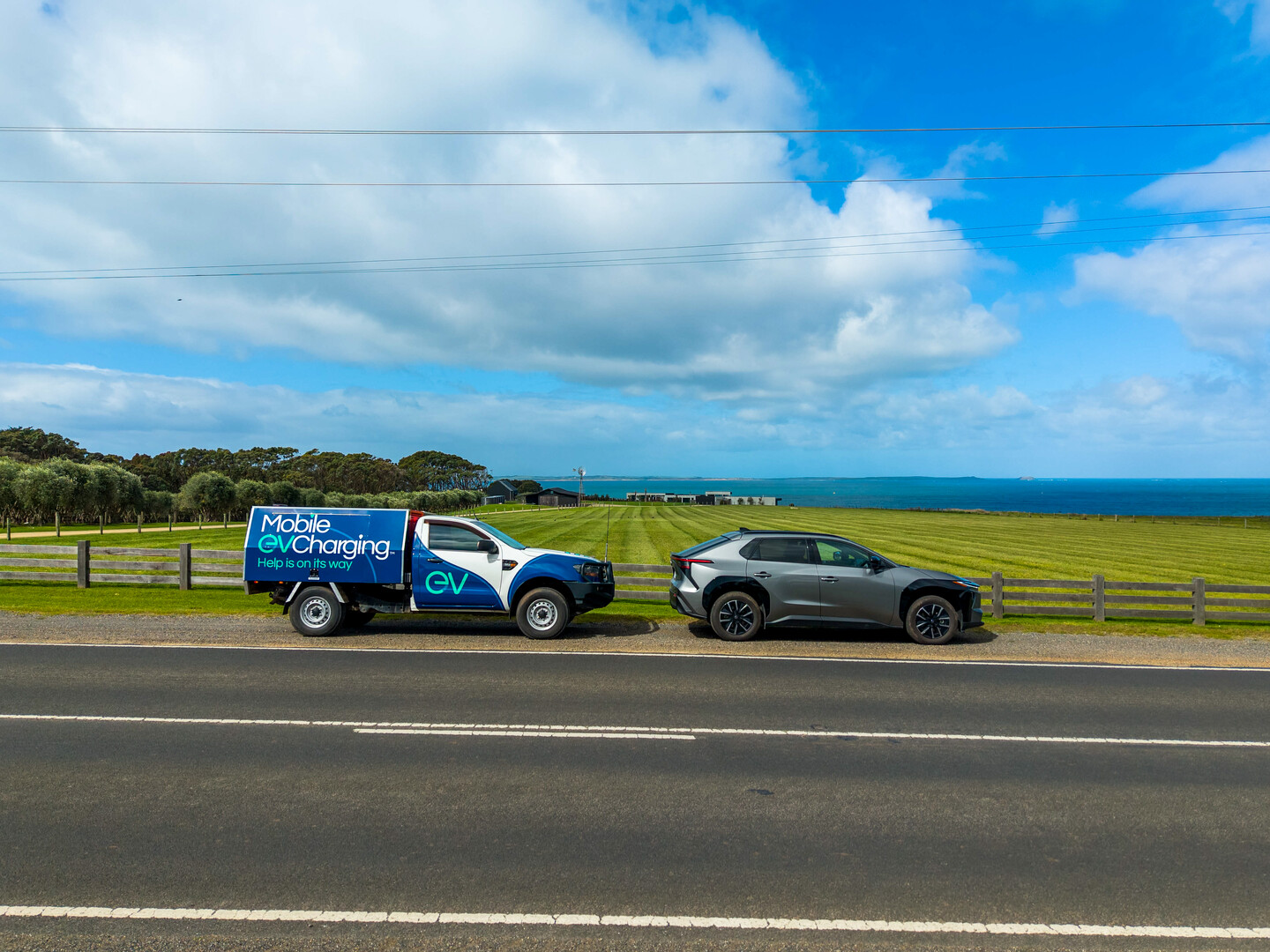
Mobile EV Charging
Mobile EV Charging
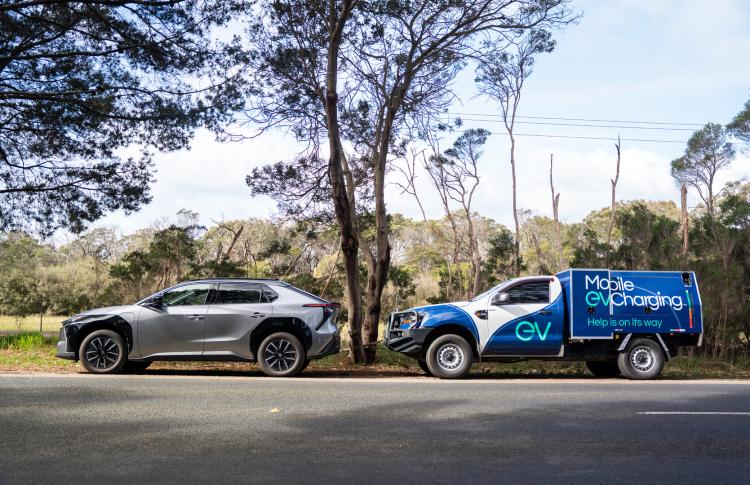
A mobile EV charging unit recovers an electric vehicle with a flat battery on the side of the road.
Australia's transition to electric vehicles is accelerating, with more than half a million EVs now on Australian roads and battery electric vehicles accounting for more than one in five new vehicle sales in recent months. While the shift is helping reduce emissions and fuel costs, it is also exposing a growing gap in the country's roadside assistance network.
Traditional roadside assistance wasn't designed for electric vehicles
For decades, roadside assistance providers have focused on the common issues affecting petrol and diesel vehicles, including flat tyres, mechanical breakdowns, lockouts and fuel delivery. Those services remain essential, but electric vehicles introduce a different challenge. An EV that has run out of charge is rarely "broken" in the traditional sense,it simply needs electricity.
In many cases, drivers who experience a depleted battery are still towed because a mobile charging solution is unavailable. This adds unnecessary delays, increases costs and leaves motorists waiting longer to get back on the road.
A new category of roadside support is emerging
As EV ownership grows across cities and regional Australia, mobile EV charging is becoming an increasingly practical solution. Rather than arranging a tow truck, trained technicians can deliver enough charge on-site to allow drivers to safely continue to the nearest charging station or their destination.
This approach reduces vehicle downtime, eases pressure on towing services and improves the overall ownership experience for EV drivers.
Preparing Australia's roadside services for the future
Australia's EV market is expected to continue expanding over the coming decade. While public charging infrastructure is improving, unexpected situations such as traffic delays, detours, severe weather or charger outages mean roadside charging will become an important part of the broader EV ecosystem.