Mobile EV Charging
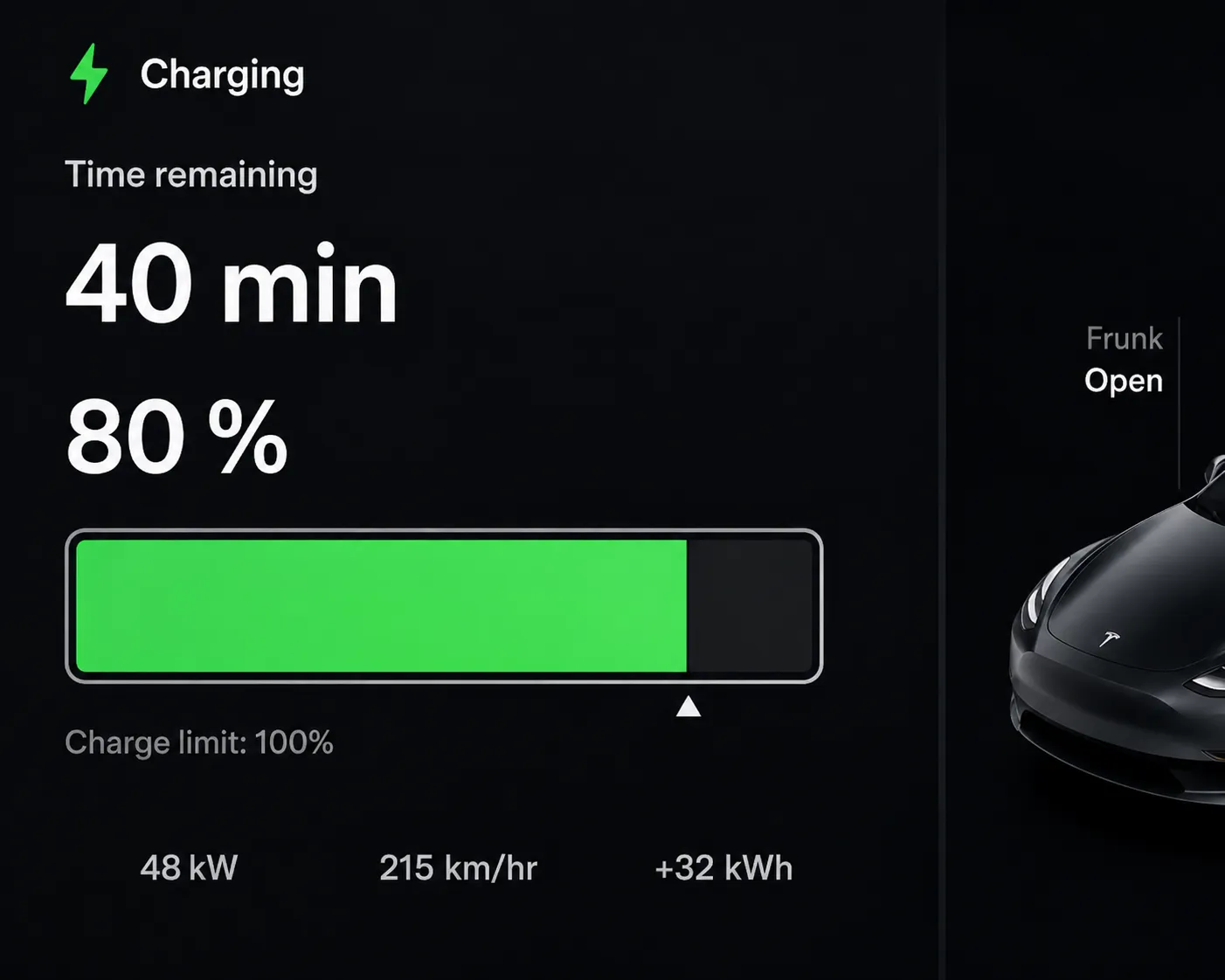
The image shows a digital electric vehicle charging interface, likely from a Tesla vehicle. Key elements include a charging status display indicating that the battery is currently at 80% capacity with an estimated 40 minutes remaining to full charge.
Australia's electric vehicle transition is often measured by one key question: how many charging stations are being built? While charging infrastructure is a critical part of the transition, industry leaders say the future of electric transport will depend on a much broader ecosystem that supports drivers in every situation, from home charging and workplace infrastructure to roadside assistance and fleet management. As EV adoption accelerates across Australia, the next challenge is ensuring the systems surrounding these vehicles are ready.
Charging infrastructure is only one piece of the puzzle
Public charging networks are expanding across Australia, helping more drivers confidently travel longer distances and reducing concerns about access to electricity.
However, EV ownership extends far beyond highway travel.
Drivers also need practical solutions for:
- Charging at home
- Living in apartments
- Charging at work
- Managing commercial fleets
- Travelling through regional areas
- Responding to unexpected battery issues
A successful EV transition requires infrastructure that fits into everyday life.
Australia's charging needs are becoming more complex
Early EV adoption was largely driven by homeowners with access to garages and private charging options. As electric vehicles become mainstream, the driver profile is changing.
Future EV owners will include:
- Apartment residents
- Renters
- Small businesses
- Large commercial fleets
- Regional communities
- High-use vehicle operators
Each group has different charging requirements, meaning no single solution will address every challenge.
Mobile EV charging adds flexibility to the network
Fixed charging stations will remain essential, but they cannot respond to every situation.
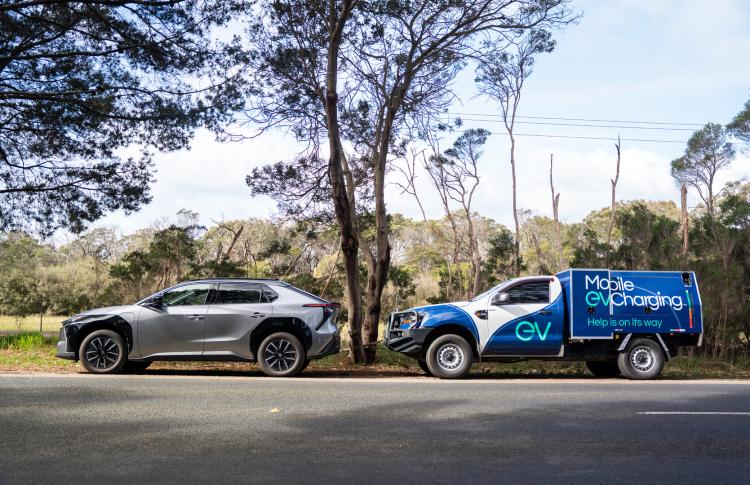
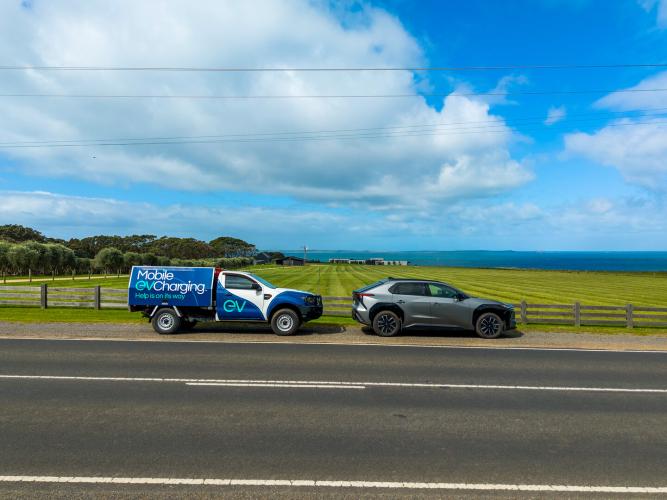
Mobile EV charging provides a flexible layer of support by delivering power directly to vehicles when and where it is needed.
This can include:
- Emergency roadside charging
- Fleet support
- Temporary charging during infrastructure upgrades
- Assistance at events or worksites
- Support for drivers without immediate access to fixed chargers
By adding flexibility, mobile charging strengthens the overall EV ecosystem.
The future of electric transport requires a complete approach
Australia's EV transition will not be successful based only on the number of vehicles sold or chargers installed.
It will depend on creating a reliable network of solutions that supports drivers throughout the entire ownership journey.
That means combining:
- Residential charging
- Workplace charging
- Public charging networks
- Fleet charging strategies
- Specialist EV servicing
- Mobile EV charging support
Electric vehicles are changing the way Australians travel. The next stage of the transition will be about building the support systems that allow those vehicles to operate reliably every day.
The future of transport is electric, but the future of electric transport depends on creating an ecosystem designed around the needs of modern drivers.