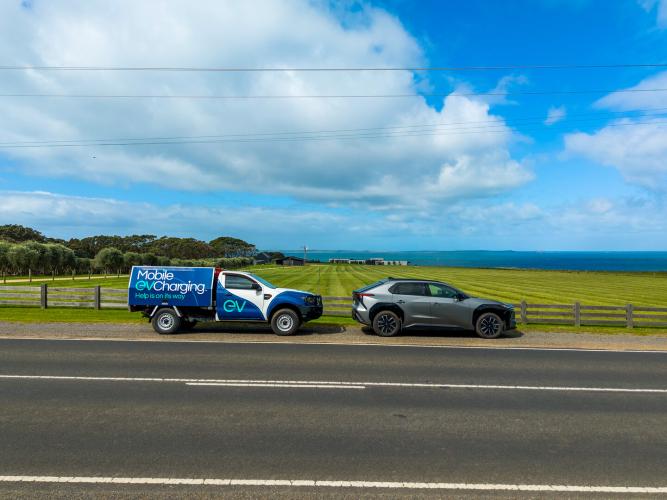
Mobile EV Charging
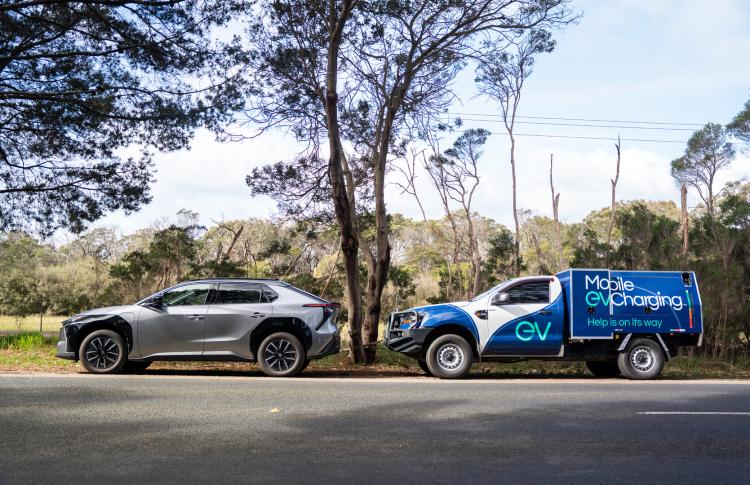
A driver calls for roadside assistance after their electric vehicle’s battery runs flat.
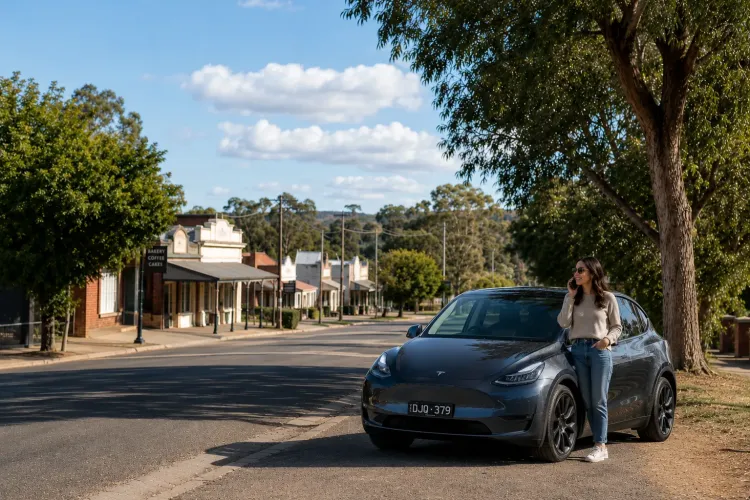
Australia's love affair with road trips is entering a new era. As electric vehicle ownership continues to grow, more Australians are choosing EVs for family holidays, regional travel and interstate journeys. However, the increasing popularity of electric road trips is also creating new challenges. During peak travel periods, charging demand can place pressure on public infrastructure and highlight the need for a more flexible approach to keeping EV drivers moving.
Holiday travel is changing the way Australians use EVs
For many years, concerns about EV range were one of the biggest barriers to adoption. Improvements in battery technology, vehicle efficiency and charging networks have helped make longer journeys more achievable.
Modern EVs can now travel significant distances on a single charge, allowing drivers to explore regional Australia and undertake interstate trips.
But long-distance travel introduces new considerations.
A vehicle that normally has plenty of range for daily commuting may face different conditions during a holiday trip, including:
- Higher speeds on highways
- Increased vehicle loads
- Towing requirements
- Extreme weather
- Traffic congestion
- Unexpected route changes
These factors can all affect energy consumption.
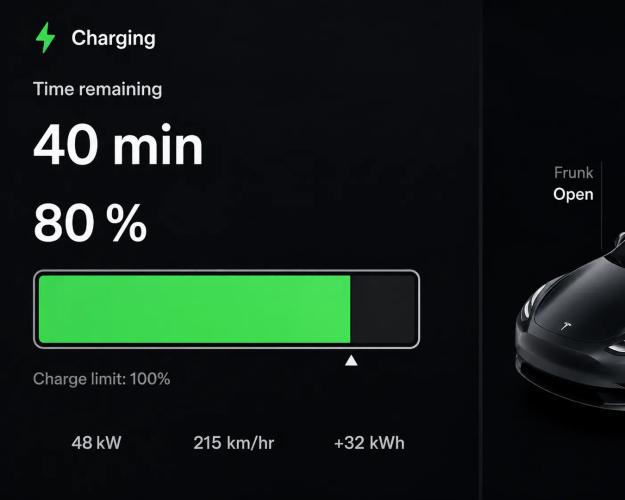
More EVs means more demand during peak periods
Australia's public charging network continues to expand, but holiday periods can create challenges when many drivers need charging at the same time.
Popular travel routes, tourist destinations and regional towns may experience increased demand during school holidays, long weekends and major events.
Drivers may encounter:
- Busy charging locations
- Longer waiting times
- Chargers temporarily unavailable
- Limited alternatives in regional areas
For EV owners, the challenge is not always whether a charger exists,it is whether one is available when they need it.
Mobile EV charging provides support when plans change
Road trips rarely go exactly as planned. Delays, detours and unexpected circumstances are part of travelling, and EV drivers need solutions that provide flexibility beyond fixed charging locations.
Mobile EV charging can assist motorists who unexpectedly run low on battery, helping them reach the next available charger without requiring a tow.
It can also support regional tourism operators, events, fleet operators and businesses that need temporary charging capability during periods of increased demand.
Building confidence in Australia's electric road trip future
As more Australians choose EVs for everyday driving and long-distance travel, charging reliability will become increasingly important.
Public chargers will remain a critical part of the network, but a resilient EV ecosystem requires multiple solutions working together.
Home charging, workplace charging, public infrastructure and mobile EV charging will all play a role in ensuring Australians can confidently travel wherever the road takes them.
The future of the Australian road trip is electric, but keeping it moving will require smarter, more flexible charging solutions.