Australia’s transition to electric vehicles is moving faster than many industry observers predicted. What began as a gradual shift towards cleaner transport has become a major transformation affecting households, businesses, government fleets and the wider automotive industry. However, the success of Australia’s EV future will not be measured only by how many electric vehicles are sold. It will depend on whether drivers have access to reliable, convenient and flexible charging solutions wherever they need them.
The EV transition is bigger than replacing petrol pumps
Electric vehicles are changing the way Australians think about transport energy.
Traditional vehicles depend on a mature fuel network built over generations. Drivers know where fuel stations are located and can usually refuel within minutes.
EV charging requires a different approach.
Energy can come from:
- Home chargers
- Workplace chargers
- Public charging stations
- Destination chargers
- Fleet charging facilities
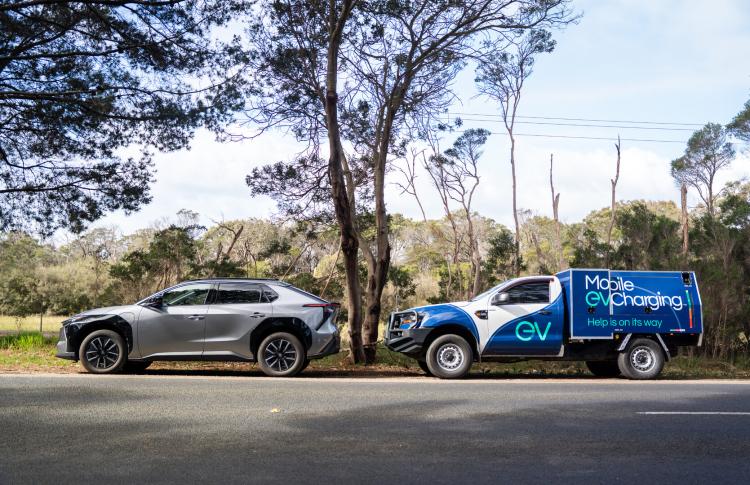
- Mobile charging services
Building a successful EV ecosystem means creating multiple ways for drivers to access power.
Australia needs solutions for real-world driving challenges
While charging infrastructure continues to expand, everyday situations will still create challenges.
Drivers may face:
- Limited home charging access
- Apartment charging barriers
- Workplace infrastructure delays
- Public charger availability issues
- Regional charging gaps
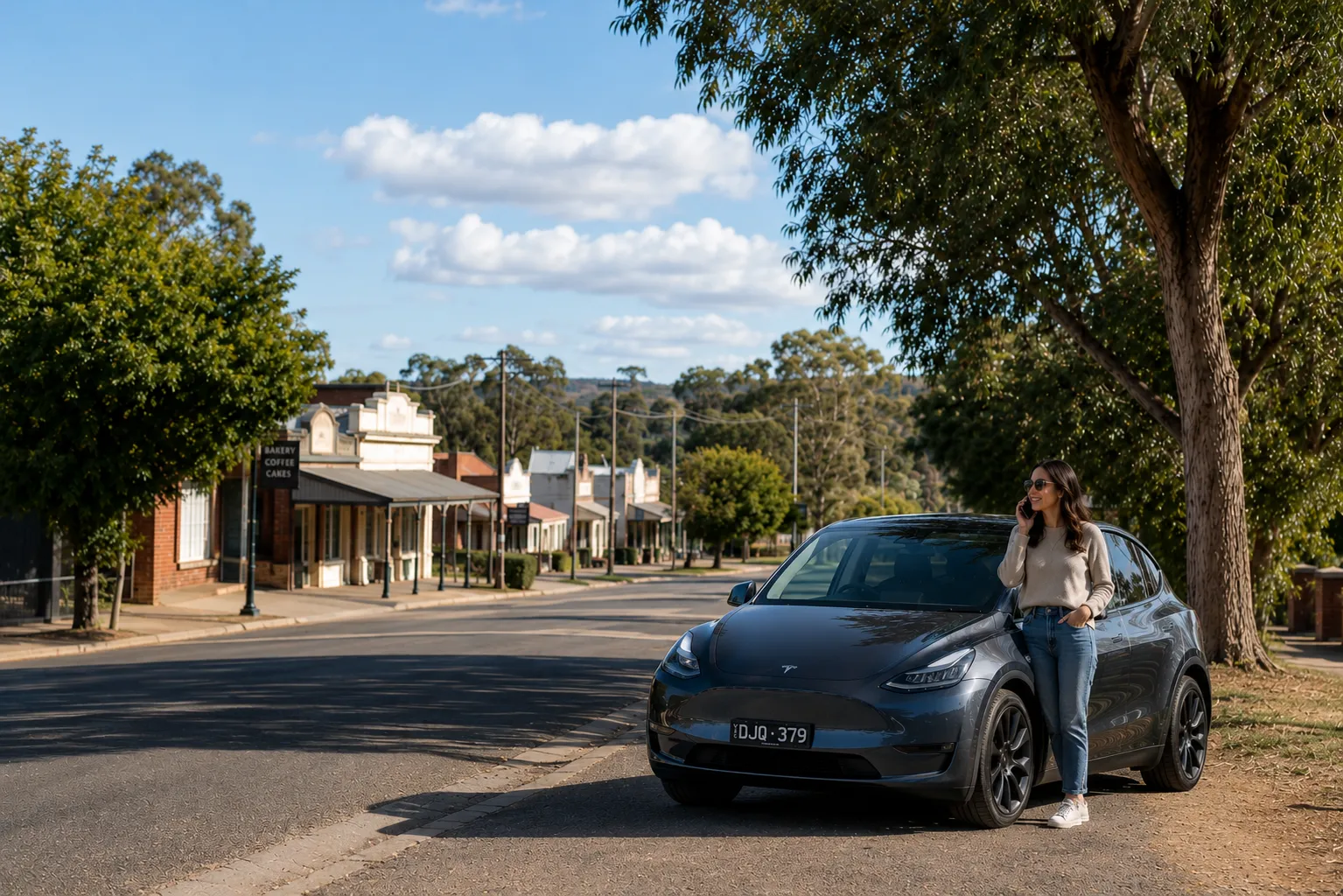
- Unexpected battery depletion
These challenges do not mean EV adoption is failing, they highlight the need for a more complete support network.
Mobile EV charging adds flexibility to Australia's charging future
Mobile EV charging provides an important layer of support within the broader EV ecosystem.
Unlike fixed chargers, mobile charging can go where it is needed. It can assist motorists experiencing low battery situations, support commercial fleets, provide temporary charging during infrastructure upgrades and help businesses maintain operations.
This flexibility is particularly important as electric vehicles become more common across different communities and industries.
The future of EV charging will be connected and adaptable
Australia’s electric vehicle transition requires cooperation between vehicle manufacturers, charging providers, governments, property developers, businesses and service providers.
No single solution will meet every charging need.
The future will rely on a combination of:
- More public charging infrastructure
- EV-ready homes and buildings
- Workplace charging
- Smarter fleet management
- Reliable roadside charging support
As Australia moves towards a more electrified transport future, the priority will shift from simply increasing EV numbers to ensuring those vehicles can operate confidently every day.
The next generation of transport will not only be electric, it will be supported by a smarter, more flexible charging ecosystem designed around the needs of Australian drivers.