Mobile EV Charging
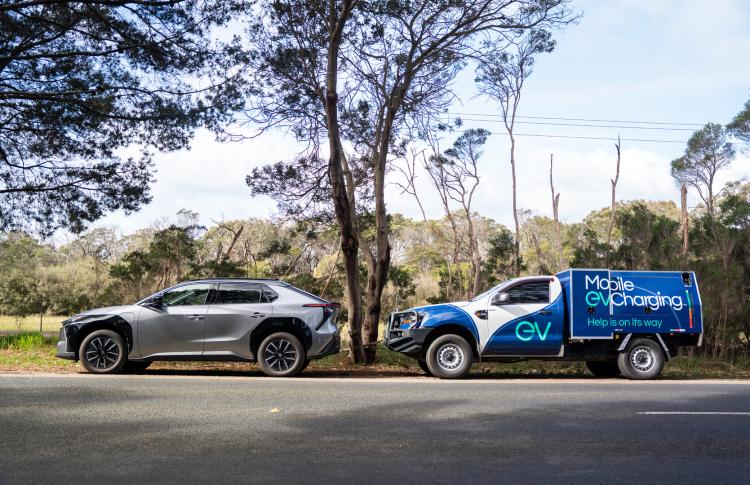
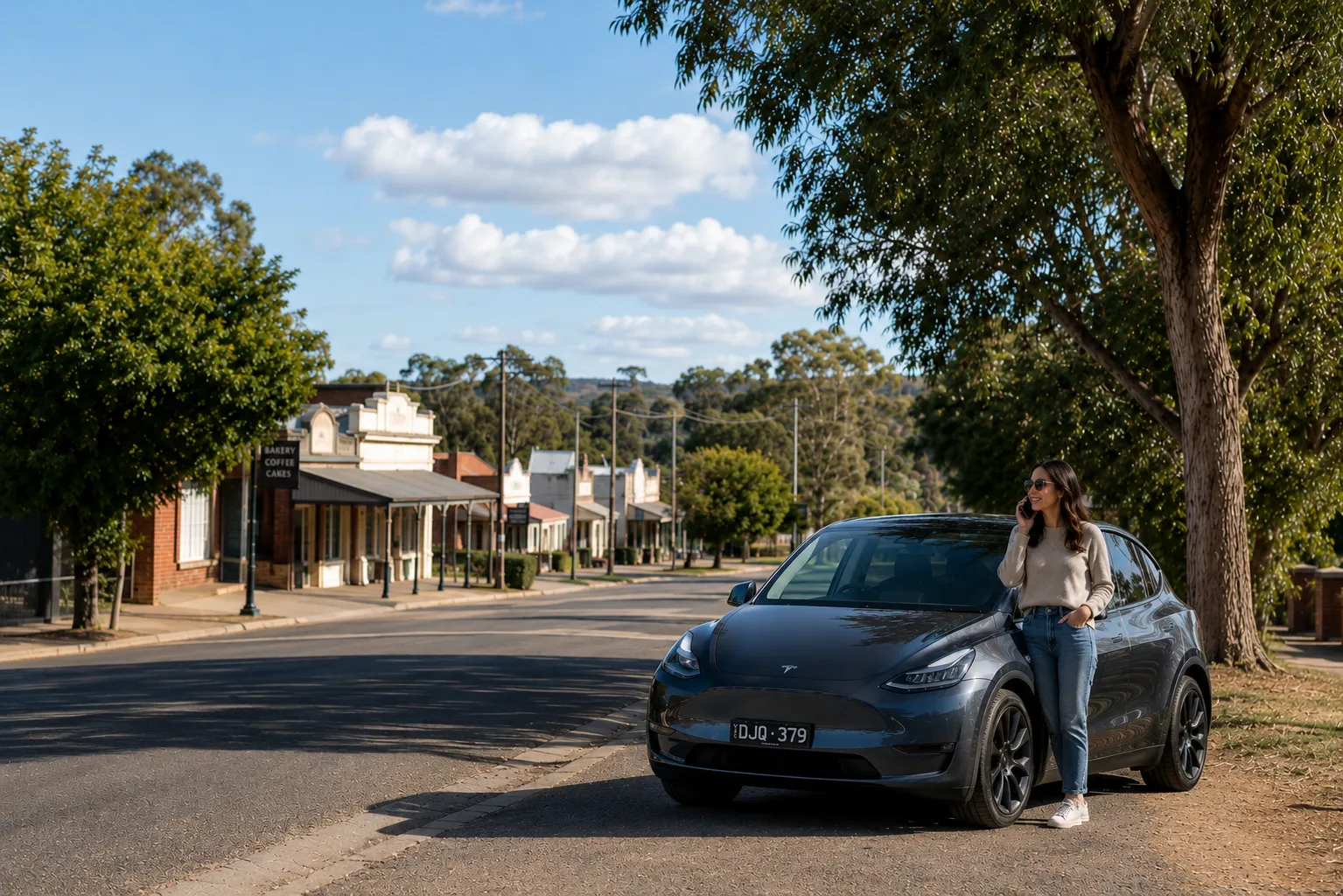
A stranded EV driver calls for help on the side of the road
Australia’s property market is entering a new era where electric vehicle readiness is becoming an important consideration for homeowners, developers, builders and investors. As electric vehicle adoption continues to accelerate, the buildings Australians live and work in are being tested against a new requirement: the ability to support charging electric vehicles conveniently and reliably. Industry experts warn that many developments currently being built may not be adequately prepared for the transport technology of the future.
New buildings are becoming part of Australia's EV infrastructure challenge
For decades, residential and commercial developments were designed around petrol-powered vehicles. Garages, car parks and electrical systems were created with refuelling stations outside the property, not inside it.
Electric vehicles change that model.
Charging moves closer to where people live, work and park. This means developments now need to consider:
- Electrical capacity
- Dedicated EV charging circuits
- Shared charging solutions
- Parking allocation
- Load management systems
- Future demand growth
Without early planning, buildings may require costly upgrades later.
Apartment developments face the greatest pressure
Higher-density living presents some of the biggest challenges for EV charging.
Apartment residents may face:
- Limited access to private parking
- Shared electrical infrastructure
- Body corporate approval requirements
- Competing demand for charging spaces
- Difficult retrofitting conditions
As more Australians choose apartment living, charging access will become an increasingly important factor influencing property decisions.
Commercial buildings also need to prepare
Office buildings, shopping centres, hotels, warehouses and industrial sites will also face growing demand for EV charging.
Businesses may need infrastructure to support:
- Employee vehicles
- Customer charging
- Delivery fleets
- Company vehicles
- Visitors
Planning charging capability early can help businesses avoid expensive upgrades while improving the long-term value of their properties.
Mobile EV charging provides a flexible bridge during the transition
While permanent charging infrastructure is the long-term goal, many properties will not be immediately equipped to meet growing EV demand.
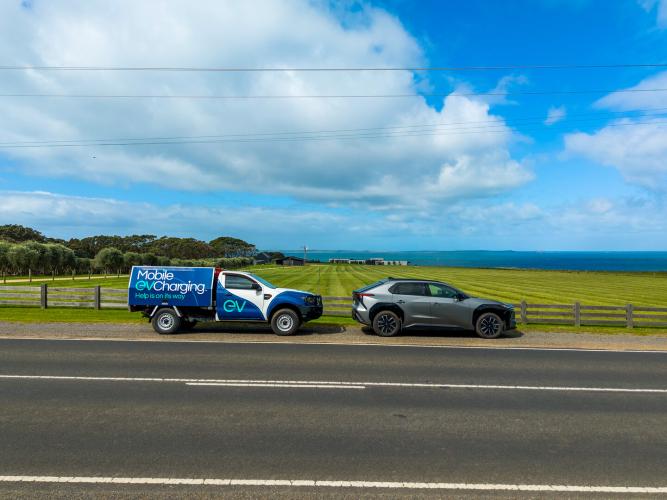
Mobile EV charging provides a flexible solution during this transition by supporting residents, businesses and fleet operators when fixed charging is unavailable.
It can assist with emergency charging, temporary requirements, infrastructure upgrades and situations where permanent solutions are still being planned.
Future-ready buildings will need EV-ready thinking
Australia’s shift to electric vehicles is changing more than the cars people drive. It is changing how homes, workplaces and communities need to be designed.
The property industry has an opportunity to play a major role in supporting the EV transition by ensuring buildings are prepared for the vehicles Australians will increasingly own.
The buildings of tomorrow will not only need energy-efficient appliances and renewable technology, they will also need the ability to keep electric vehicles moving.